Introduction
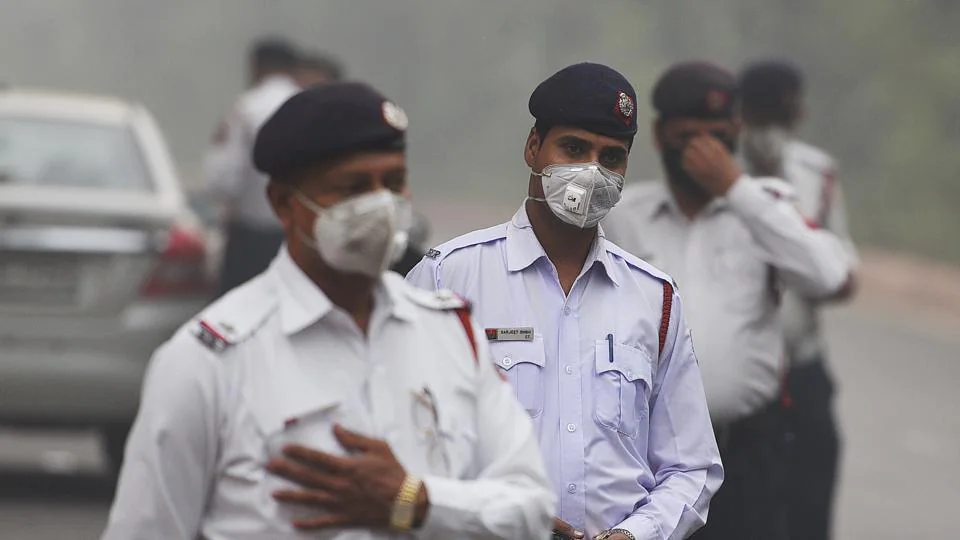
Pollution is a ubiquitous problem that has far-reaching consequences for the health and well-being of individuals worldwide. In bustling countries like India, where population density and traffic congestion are high, the impact of pollution becomes even more pronounced. One group of individuals that bears the brunt of this invisible enemy is the traffic police force. In this article, we will explore the detrimental effects of pollution on the health of traffic police officers in India and shed light on the urgent need for action.
Traffic Police: Guardians of Chaos
The traffic police officers in India play a pivotal role in maintaining order and safety on the roads. They endure long hours in harsh weather conditions, braving the heat, rain, and even the biting cold. However, in recent years, pollution has emerged as a silent menace, further exacerbating their already demanding working conditions.
A Day in the Life of a Traffic Police Officer
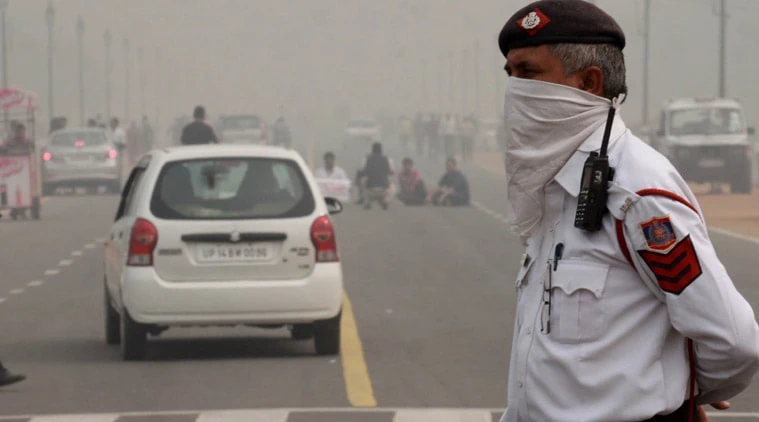
Let’s step into the shoes of a traffic police officer in India. From dawn till dusk, they tirelessly navigate through congested roads, contending with an array of challenges. The constant exposure to vehicular emissions, dust particles, and smoke from industrial chimneys becomes an everyday reality for these dedicated officers.
“I remember my first day as a traffic police officer vividly. The air was heavy with exhaust fumes, and the noise of honking vehicles engulfed me. Little did I know that the pollution would gradually take its toll on my health.” – Traffic Police Officer, Delhi.
The Invisible Health Hazards
The hazardous nature of pollution is not restricted to visible smog or irritants in the air. Microscopic pollutants pose a severe threat to the respiratory system, cardiovascular health, and overall well-being of these unsung heroes.
Respiratory Distress: The Battle for Breath
Traffic police officers frequently suffer from respiratory ailments due to constant exposure to polluted air. Fine particulate matter (PM2.5) and nitrogen dioxide (NO2), commonly found in vehicular emissions, infiltrate their lungs, leading to respiratory distress, chronic coughing, and reduced lung capacity.
Alarmingly, a study conducted by the Centre for Science and Environment (CSE) revealed that traffic police personnel in Delhi have a lung function that resembles that of a 50-year-old, despite their average age being much lower.
Cardiovascular Consequences: Navigating Deadly Air

Recent research has shed light on the link between pollution and cardiovascular diseases among traffic police officers. Prolonged exposure to toxic pollutants can contribute to the development of conditions such as heart attacks, stroke, and high blood pressure. The constant stress of traffic control combined with polluted surroundings creates a hazardous mix for their cardiovascular health.
Battling the Odds: Measures to Mitigate Pollution Impact
Recognizing the dire situation, efforts are being made to minimize the health risks faced by traffic police officers. Here are some noteworthy initiatives:
Protective Gear & Traininghttps://aerpod.in/
Authorities are emphasizing the importance of equipping traffic police officers with appropriate protective gear. Respiratory masks, gloves, and uniforms designed to repel pollutants are being provided to ensure better protection. Additionally, comprehensive training programs on self-care, recognizing symptoms, and emergency procedures are being implemented to empower officers.
Implementing Eco-Friendly Measures
Taking a proactive approach, several cities in India are adopting measures to reduce pollution at its source. Strict emission norms for vehicles, encouraging public transportation, promoting cycling, and creating dedicated pedestrian zones are some of the initiatives being undertaken to curb pollution and alleviate the burden on traffic police officers.
As a part of the ‘Odd-Even’ scheme introduced in Delhi, traffic congestion was significantly reduced, leading to improved air quality and providing respite to our dedicated traffic police officers.
The Way Forward: An Urgent Call to Actionhttps://aerpod.in/
By offering a personalised solution to combat air pollution, Aerpod becomes an indispensable tool for traffic police, prioritising their health and safety in the face of challenging environmental conditions.
“Nano Aerpod” is India’s first personal air purifier with medical grade technology to combat all your air pollution concerns.
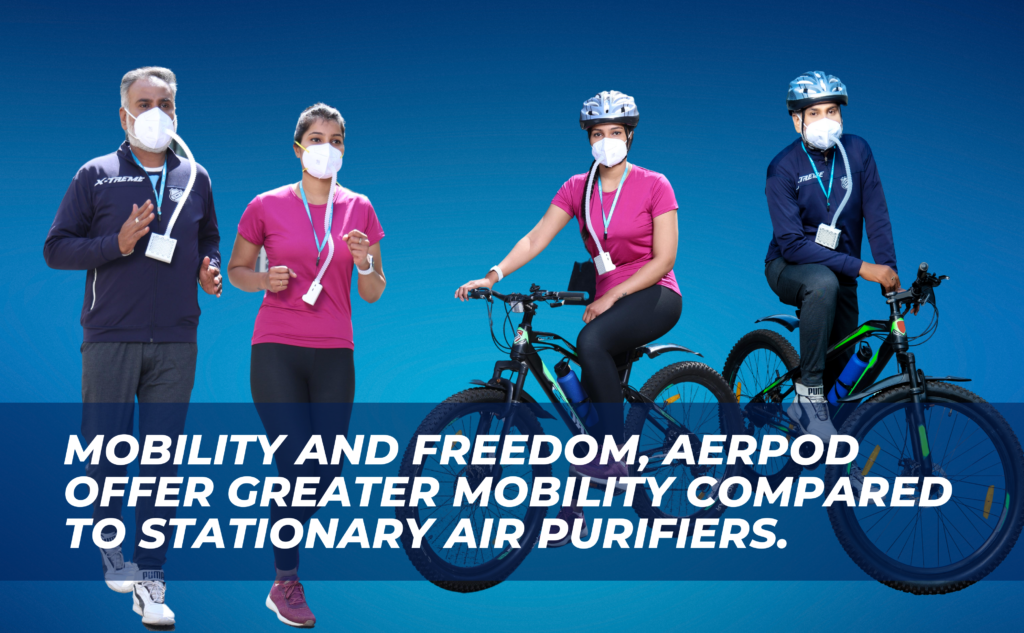
“Nano Aerpod” proves invaluable for traffic police in air pollution conditions by providing a personal and portable air purification solution. Here’s how Aerpod can be a great help:
- Continuous Protection: Traffic police are exposed to harmful pollutants daily. Nano Aerpod offers continuous air purification, creating a clean breathing zone for the officers and mitigating the impact of air pollution on their health.
- Portable and Wearable: Nano Aerpod’s compact design allows traffic police to wear it comfortably. Its portability ensures officers have access to clean air wherever their duty takes them, be it busy intersections or crowded traffic points.
- Filtering Particulate Matter: Nano Aerpod’s advanced filtration system, including HEPA filters, effectively captures particulate matter, dust, and pollutants present in the air. This feature is crucial for traffic police who work in areas with high vehicular emissions.
- Reducing Respiratory Issues: Long-term exposure to air pollution can lead to respiratory problems. Nano Aerpod aids in reducing the risk of respiratory issues among traffic police, promoting their overall well-being.
- Enhancing Focus and Comfort: Clean air improves concentration and comfort. Nano Aerpod ensures that traffic police can carry out their duties with enhanced focus and comfort, even in challenging environmental conditions.
Leave a Reply